ASO / 2026IT services & technology consulting
Software that
holds up under
daily use
ASO SERVICES builds, integrates and supports the systems organisations run their work on. Engineering-led delivery, documented decisions, and code you own from the first commit.
- Discipline
- Engineering
- Model
- Collaborative
- Language
- English
01Introduction
We are an IT services and technology consulting company. Our work is the unspectacular part of technology: understanding a process properly, building software that matches it, connecting it to everything else, and keeping it running as the business changes.
Engagements begin with analysis rather than a proposal. We look at how work actually happens, where the data lives, and which constraints are real, then recommend the smallest change that solves the problem.
Delivery is incremental and reviewable. Every change is tested, reviewed by another engineer and deployed through the same automated path, so releases stop being events.
What we leave behind matters as much as what we build: documented interfaces, reproducible environments and runbooks that let another team continue the work without archaeology.
Key IT capabilities
02Six practice areas
- C.01
Software engineering
Backend, frontend and API development in mainstream, well-supported languages.
- C.02
Cloud architecture
Environment design, migration planning and infrastructure expressed as code.
- C.03
Systems integration
Contract-first interfaces between applications, vendors and internal databases.
- C.04
Delivery automation
Build, test and deployment pipelines that make releases routine.
- C.05
Data engineering
Pipelines, modelling and reporting foundations with validation at ingest.
- C.06
Security review
Access control, secret handling and dependency risk assessed against practice.
03Services overview
Twelve service lines,
combined per engagement
Full descriptions — including typical challenges, delivery approach and related capabilities — are on the Services page.
Custom Software Development
Systems built around your processes rather than around a product's assumptions.
Web Application Development
Responsive, accessible browser applications built to a documented API contract.
Mobile Application Development
iOS and Android applications, including offline-capable field tools.
Cloud Solutions
Architecture, migration and cost modelling with reproducible environments.
API and Systems Integration
Interfaces with defined error semantics, retries and observability.
DevOps and Infrastructure
Pipelines, monitoring, alerting and runbooks for uneventful releases.
UI/UX Design
Task-led interface design delivered as a component system with defined states.
Software Testing and QA
Automated suites placed where they return the most information per run.
Technical Consulting
Independent architecture, code and delivery assessment with written findings.
Maintenance and Support
Scheduled defect handling, updates and documentation upkeep.
Cybersecurity Assessment
Findings ranked by realistic impact, with practical remediation steps.
Data and Automation
Consolidated sources, validated pipelines and less manual handling.

04Industries and business types served
Where this work tends to fit
- Professional services
- Firms whose delivery, billing and client reporting depend on internal tooling.
- Logistics and field operations
- Organisations coordinating people, vehicles or assets across locations and connectivity conditions.
- Manufacturing and supply
- Businesses connecting production, inventory and order systems that were never designed to talk to each other.
- Retail and e-commerce
- Teams integrating storefronts, stock, fulfilment and finance into one consistent picture.
- Healthcare and regulated sectors
- Environments where access control, auditability and data handling carry legal weight.
- Software product teams
- Companies needing additional engineering capacity, platform work or an independent technical review.
05Business challenges we help solve
Six problems that usually bring people here
- 01
Manual work that should be automated
Data re-keyed between systems, reports assembled by hand, approvals chased through email.
- 02
Systems that cannot be changed safely
No tests, no documentation, and a deployment only one person knows how to perform.
- 03
Data that disagrees with itself
The same customer or order recorded differently in several places with no defined source of truth.
- 04
Infrastructure nobody can rebuild
Servers configured by hand over years, with no reproducible definition and untested backups.
- 05
Releases that create incidents
Long gaps between changes, large batches, and problems discovered by users rather than instrumentation.
- 06
Unclear technical risk
No impartial view of what the current architecture will cost to maintain or where it will fail first.
How we work
06Seven-stage delivery process
- 01
Discovery
Process mapping, data inventory, integration points and constraints. We establish what is actually true before proposing anything.
- 02
Definition
Scope, acceptance criteria, risks and sequencing written in plain English, with the open questions listed explicitly.
- 03
Architecture
Interfaces, data model, environments and non-functional requirements agreed and documented as decisions with reasoning.
- 04
Build
Short iterations, reviewed changes, automated tests, and a working environment available for inspection throughout.
- 05
Verification
Functional, integration and regression checks in the pipeline, plus exploratory testing against the agreed criteria.
- 06
Release
Automated deployment through identical environments, with monitoring, alert thresholds and a rollback path in place.
- 07
Support
Defect handling, dependency updates, observability follow-up and documentation kept current as the system evolves.
07Technology expertise
Mainstream tools, chosen deliberately
We work with widely supported technologies so that hiring, documentation and community knowledge remain available to you long after a project ends. Anything less common has to earn its place against that standard.
Languages
- TypeScript
- JavaScript
- Python
- SQL
- Go
Application
- React
- Node.js
- REST
- GraphQL
- Server-side rendering
Data
- PostgreSQL
- MySQL
- Document stores
- Message queues
- ETL pipelines
Infrastructure
- Containers
- Orchestration
- Infrastructure as code
- CI/CD
- Observability tooling
08Benefits of working with ASO SERVICES
What changes when the engineering is disciplined
Direct access to engineers
Requirements are discussed with the people who implement them, which removes a translation layer and the errors it introduces.
Scope written to be checked
Deliverables carry acceptance criteria in plain language, so completion is a matter of verification rather than opinion.
Documentation as a deliverable
Architecture decisions, interfaces and runbooks are produced alongside the code, not reconstructed afterwards.
Portability by default
Standard tooling, your accounts, your source control. Continuing without us should always be a practical option.
Cost visibility
Infrastructure and licensing implications are modelled during design, so architecture choices are made with their running cost known.
Realistic answers
If a request is unnecessary, disproportionately expensive or technically unsound, we say so and describe the alternatives.
09Security and reliability principles
Designed for the failure case
A system is not finished when the happy path works. Timeouts, partial outages, malformed input and credential rotation are part of the specification we agree before implementation starts.
Least privilege
Narrow, reviewable access to environments, data and credentials.
Managed secrets
Credentials held in a secret store, never in source control or chat.
Dependency monitoring
Third-party packages inventoried and checked for known vulnerabilities.
Tested backups
Restore procedures exercised, not assumed, and documented in runbooks.
Defined degradation
Explicit behaviour when a dependency is slow or unavailable.
Audit trails
Meaningful, structured logging for actions that carry consequence.

10Quality assurance approach
Verification built into the pipeline
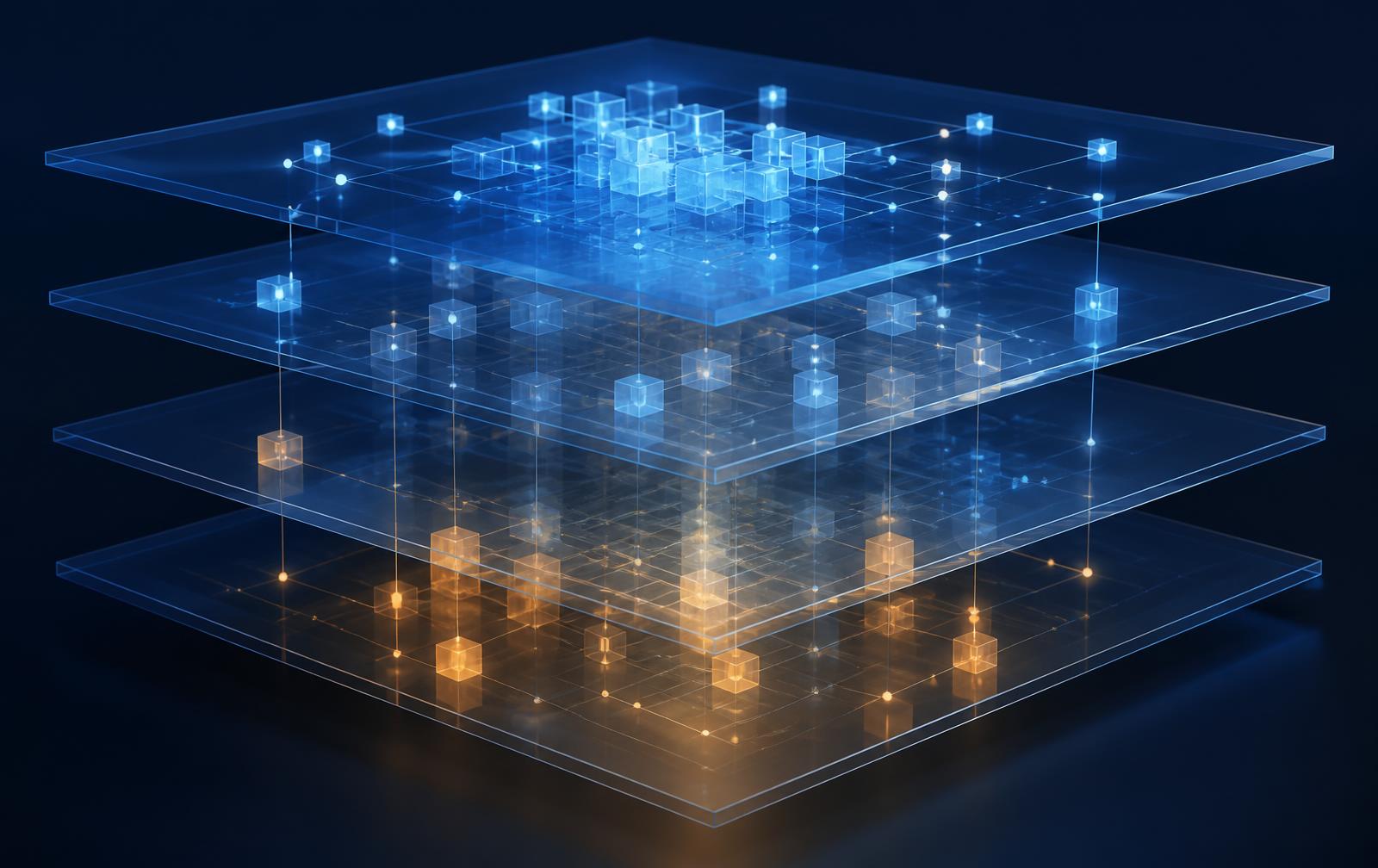
Quality is a property of the process, not a stage at the end of it. Acceptance criteria are written before implementation, tests run on every change, and a failing pipeline blocks release regardless of schedule pressure.
- Q.01
Criteria before code
Each deliverable has acceptance criteria written in plain English, agreed before work starts.
- Q.02
Peer review
No change reaches a shared branch without review by another engineer against agreed conventions.
- Q.03
Layered automated tests
Unit tests for logic, integration tests for boundaries, end-to-end tests for the paths that matter most.
- Q.04
Regression protection
Every fixed defect gains a test so the same failure cannot return unnoticed.
- Q.05
Exploratory testing
Structured manual investigation of areas automation cannot judge, such as clarity and edge-case handling.
- Q.06
Pre-release verification
Release candidates checked in an environment matching production, with rollback rehearsed.
11Frequently asked questions
Questions we are asked before starting
- 01
What kinds of projects does ASO SERVICES take on?
- Work that involves building, integrating, modernising or supporting business software. That includes internal platforms and workflow tools, customer-facing web and mobile applications, cloud migrations, data pipelines and integrations between existing systems. We also take on shorter assessment work such as architecture reviews and security assessments.
- 02
How does an engagement usually start?
- With a written exchange about the problem, followed by a call with the engineers who would do the work. From there we produce a short written outline covering scope, assumptions, risks and sequencing, together with the questions still open. Nothing is committed until that outline is agreed.
- 03
Can you work with an existing in-house development team?
- Yes. We frequently work alongside internal teams, sharing the same backlog, conventions and review process. The split of responsibilities is agreed in writing at the start so ownership of each area is unambiguous.
- 04
Do you take over systems built by someone else?
- Yes, after a review. We assess the code, infrastructure, tests and deployment process, report what we find, and propose a stabilisation sequence before adding features. Taking over a system without that step tends to hide the real cost.
- 05
How is progress reported during a project?
- Progress is shown as working software in an environment you can open, alongside a short written summary of what changed, what is next and anything that has become a risk. Percentage-complete reporting is not used because it rarely reflects the remaining work.
- 06
Who owns the code and infrastructure?
- You do. Source control, cloud accounts, domains, pipelines and documentation belong to your organisation, and we work inside them. We avoid proprietary components that would make it difficult to continue without us.
- 07
How is security handled during development?
- Access control, secret handling, dependency updates and data minimisation are treated as part of the definition of done rather than a later phase. Engagements that need it also include a dedicated security assessment with findings ranked by realistic impact.
- 08
What happens after a system goes live?
- Support work can continue on an agreed basis: defect handling, dependency and platform updates, monitoring follow-up, small enhancements and documentation upkeep. If you prefer to run the system yourselves, we complete a handover with runbooks and documentation instead.
12Contact information
Tell us what the system has to do
Write to us with the problem, the constraints and the timeframe. We reply with an assessment of scope and the questions that still need answers — no pitch deck, no obligation.
- Company
- ASO SERVICES
- Enquiry form
- Contacts page
- Website
- https://asoservicegroup.com